

Growing cooperative housing: lessons from Panama and beyond
On September 17, 2026, Cooperative Housing International (CHI) brought public officials, cooperative practitioners and members together in Panama City, during the ICA World Conference, for the public session “Growing Cooperative Housing: Connecting Practice, Communities and Cooperation.” The purpose was to explore how cooperative housing can grow in different contexts—and what helps it last.
Panama’s experience gave the discussion its local focus. Minister of Housing and Territorial Planning Ing. Jaime Jované highlighted the need to connect financing with land planning, services, governance and institutional capacity. Lic. Antonio Boyd Macia described the Housing Savings Fund’s role in channeling financing through authorized institutions, including cooperatives. Lic. Boris Allara of IPACOOP raised a longer-term challenge: many housing cooperatives do not remain active after members have paid off their homes. The question, then, is not only how to help people access housing, but how to sustain the cooperative and its community afterwards.
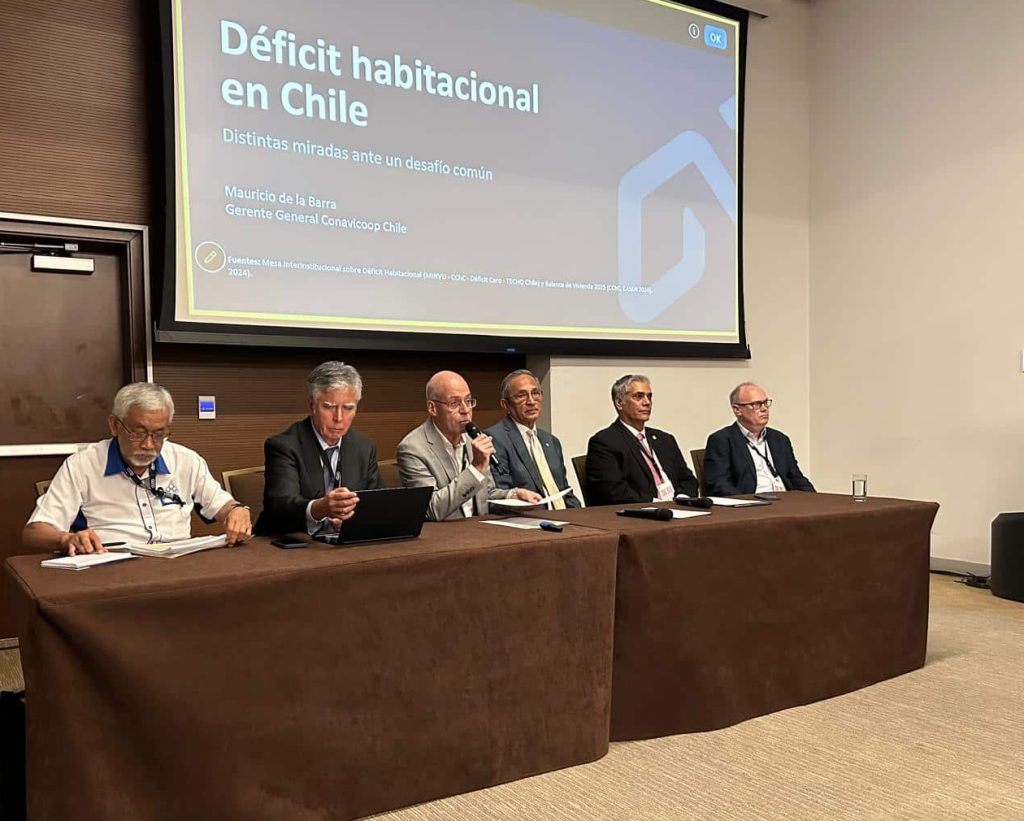
From left to right: Datuk Mohamed Ali Bin-Hasan; Mauricio De La Barra; Guido Shwarzendahl; Ing. Jaime Jované; Lic. Antonio Boyd Macia; Blase Lambert.
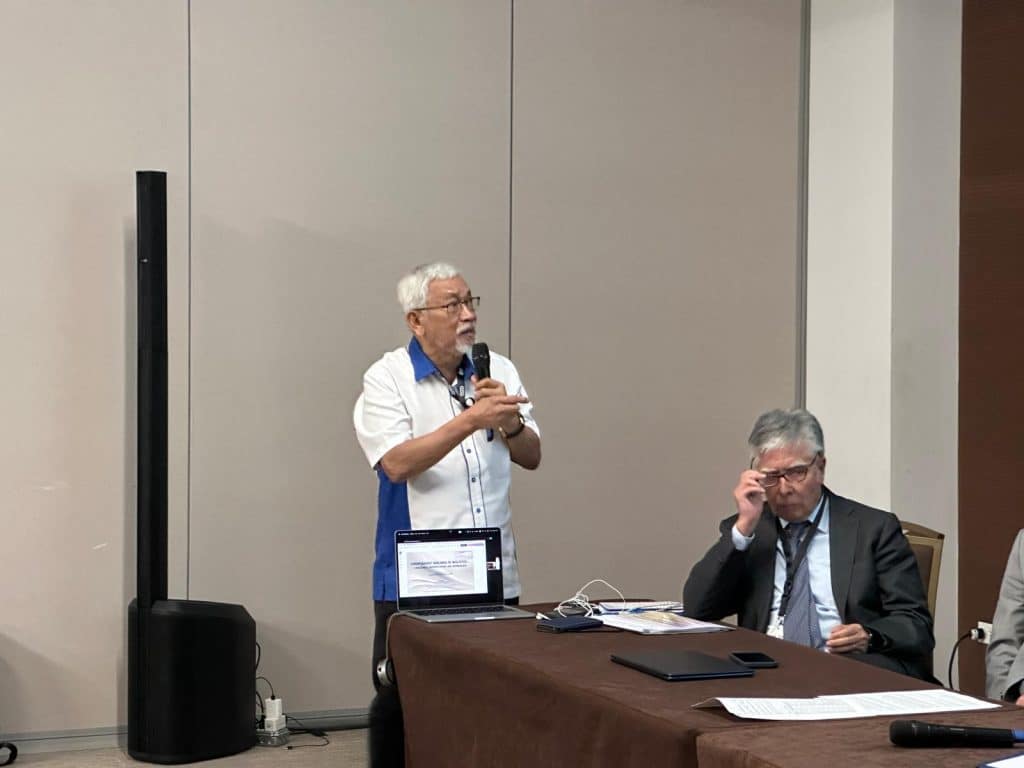
For Malaysia, Datuk Mohamed Ali Bin-Hasan of Angkasa focused on what it would take to grow cooperative housing beyond isolated projects. Cooperatives can do more than develop homes: they can help assemble land, facilitate finance and manage housing and community assets over time. But taking on those roles requires access to land and capital, professional expertise and strong member-led governance. Malaysia’s proposed 2026–2035 blueprint brings those needs together across six areas: land, capital, development, affordability, community and digital integration.
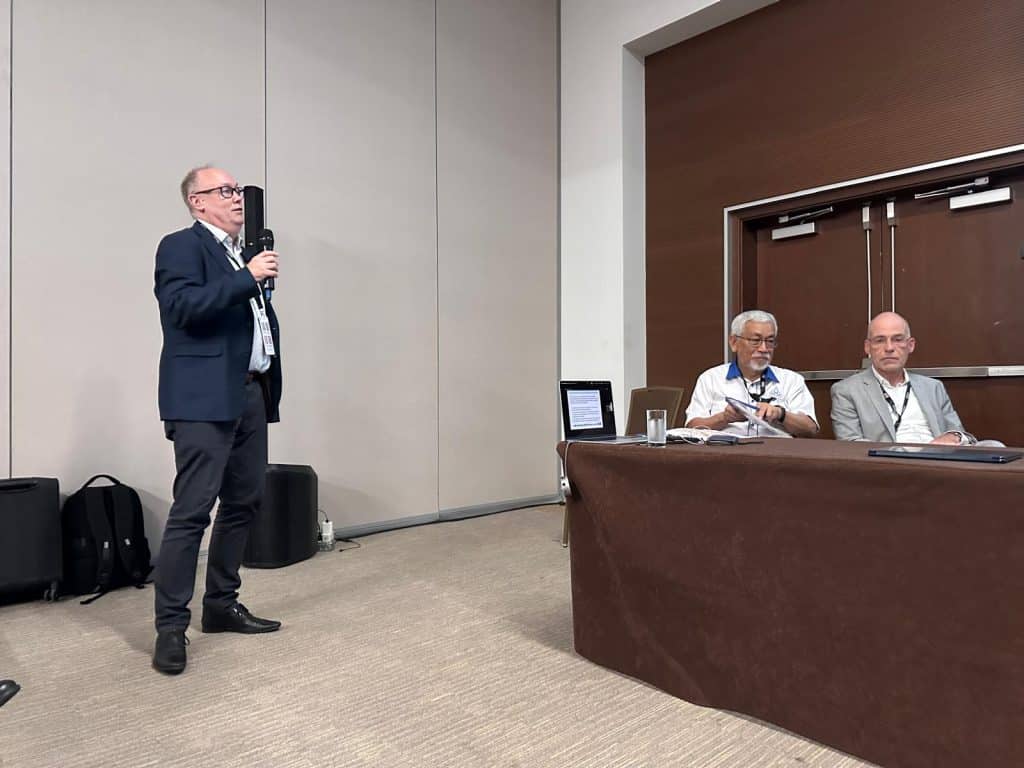
Blase Lambert’s account from the UK showed what sector-wide support can look like in practice. The Confederation of Co-operative Housing (CCH) supports a varied movement—from rental cooperatives and community land trusts to cohousing and student housing cooperatives. Its work includes governance guidance, model rules, long-term financial planning, training and asset management. The point was not simply that cooperatives need advice, but that shared tools and expertise can help them plan, remain viable and manage homes well over the long term.
Mauricio De La Barra of Chile’s Conavicoop brought the discussion back to affordability. His presentation argued that the challenge is not only building enough homes: in Chile, housing prices have risen much faster than real wages, putting access under pressure for more than the lowest-income households. Conavicoop’s long experience as an open housing cooperative offers one response, while its newer rental cooperative points to another: cooperative housing need not mean only helping members buy a home. Different needs call for different models and locally adapted solutions.

The discussion also looked to Uruguay, where a long-standing legal framework, public financing and cooperative education have helped embed cooperative housing over time. And from Argentina, Coopteva San Isidro described a teacher-led cooperative that bought land in instalments and built homes without government support—a vivid example of collective initiative, alongside a reminder of how much work communities may have to do on their own.
No single model can simply be transplanted from one country to another. But the session made a case for being united in the work: sharing what has been learned, adapting it to local conditions and creating a more nurturing exchange between regions. Watch the full recording to hear the speakers’ examples and the discussion that followed.